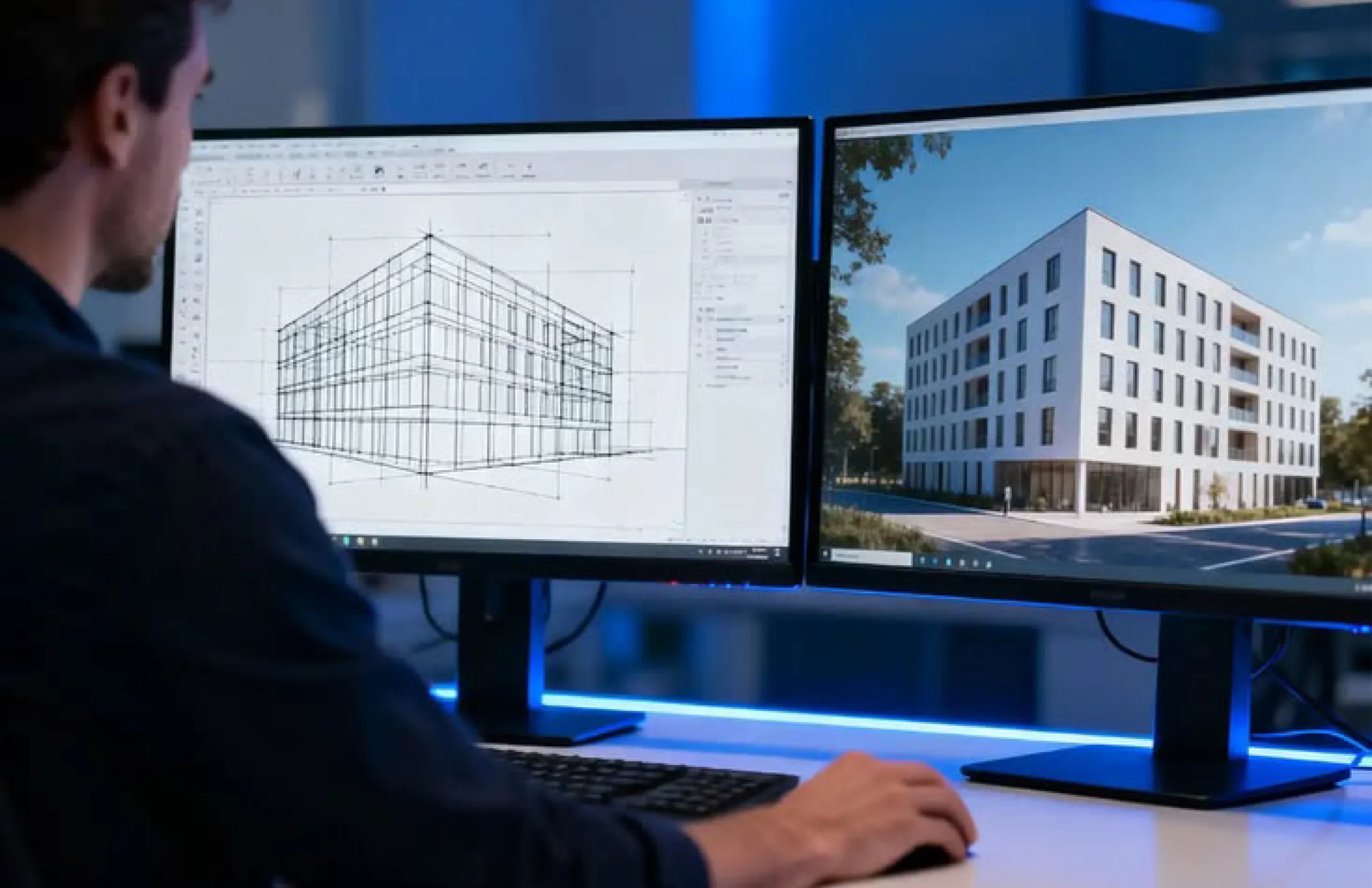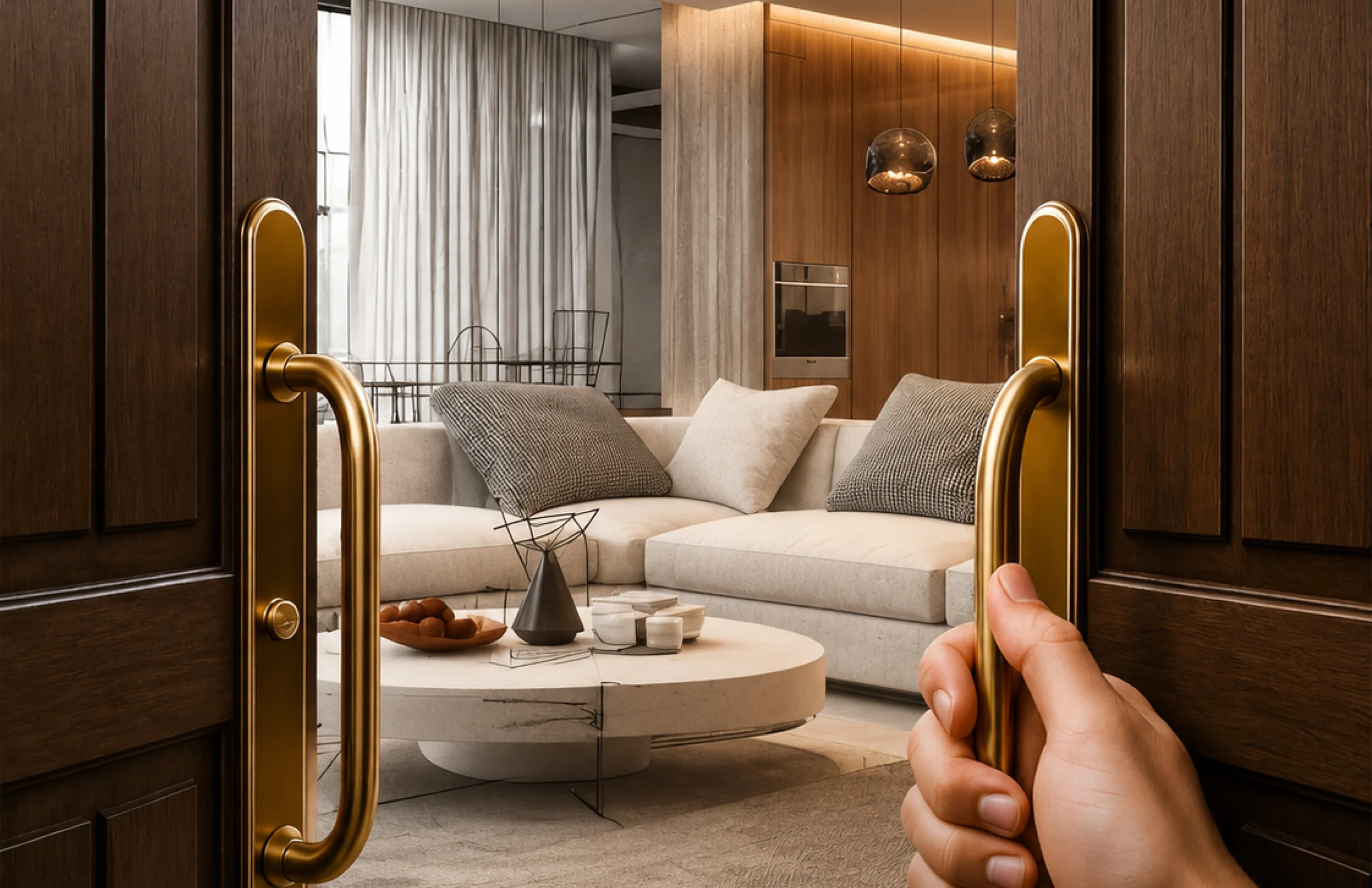
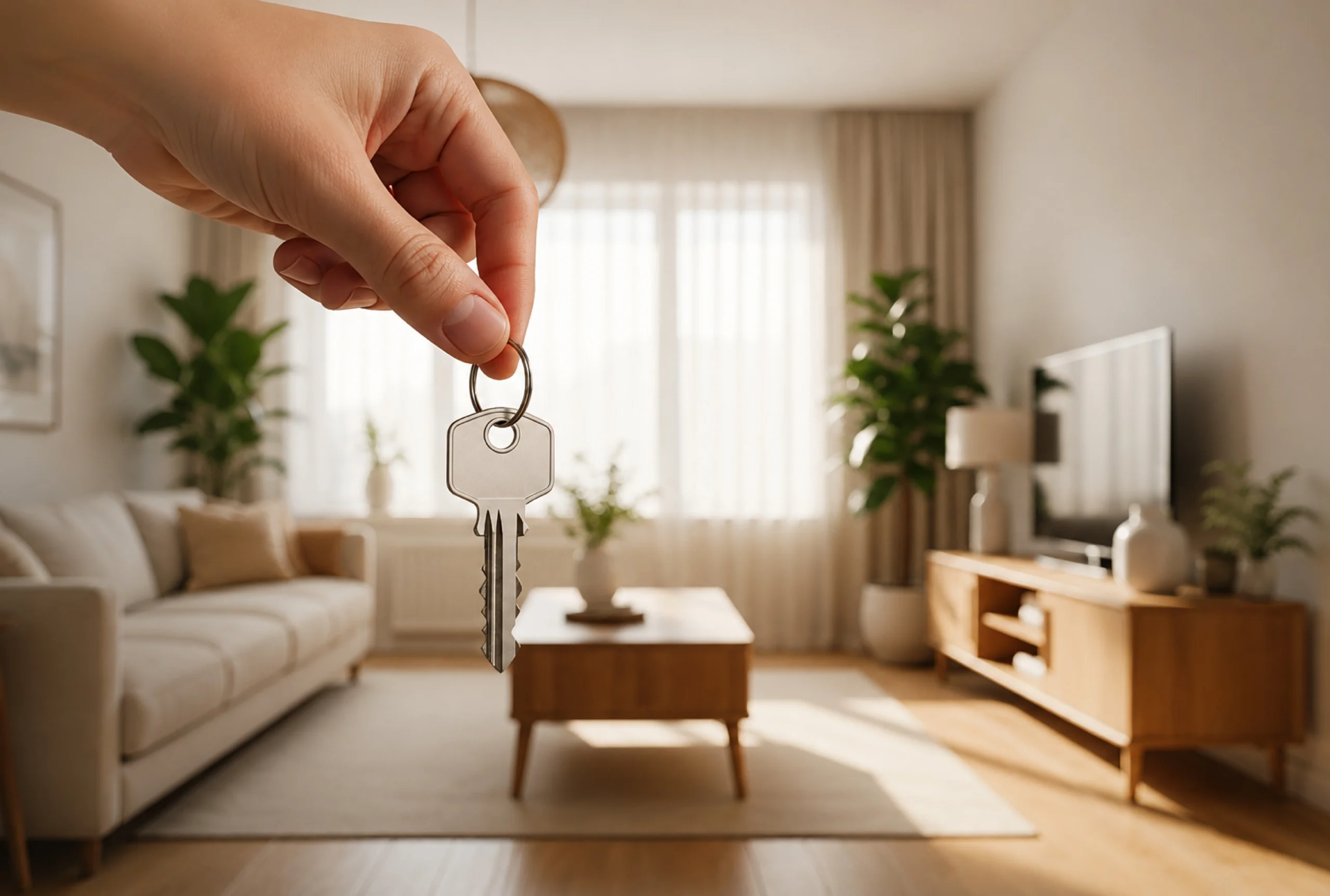
Turnkey construction in Egypt is one of the most popular ways to deliver a project — a residential building, an office, a retail space or a full development — because it hands you a finished, ready-to-use space with a single team responsible for the result. Instead of coordinating an architect, a contractor and a finishing company yourself, you sign once and simply turn the key at the end. This guide explains what turnkey construction means, what it includes, its advantages, and when it’s the right choice for your project.
What Is Turnkey Construction in Egypt?
A turnkey project is one where a single contractor takes responsibility for the entire process — from design and permits through construction, fit-out and final commissioning — and hands the client a completed space that is ready to use. The name comes from the idea that, at handover, all you have to do is “turn the key” and start operating. Instead of coordinating separate architects, contractors and suppliers yourself, you deal with one accountable team from start to finish.

What a Turnkey Construction Scope Usually Includes
Design and engineering
Concept design, architectural and interior drawings, structural and MEP engineering, and material specification — all aligned to your budget before a single block is laid.
Permits and approvals
Preparing and following up the documentation needed to build legally and safely under Egyptian regulations.
Construction and finishing
Civil and structural works, blockwork, plastering, waterproofing, flooring and finishing carried out to quality standards.
Fit-out, MEP and commissioning
Electrical, plumbing, HVAC, lighting, joinery and final finishes, followed by testing so the space is fully operational at handover.
The Advantages of Turnkey Construction
For most developers and business owners, the appeal of turnkey construction comes down to three things:
- Single point of accountability. One contract, one team, and one party responsible for cost, schedule and quality — so there is no finger-pointing between designers and contractors when something goes wrong.
- Predictable budget and timeline. Because design and construction are coordinated from the start, costs and programme are agreed early and controlled throughout.
- Less management burden. You stay informed through clear reporting without having to manage a dozen suppliers day to day.
When Turnkey Construction Is the Right Choice
A turnkey model works especially well when you want certainty of outcome and prefer to focus on your business rather than on running a construction site. It suits developers delivering residential or commercial buildings, companies fitting out offices, clinics or retail units, and owners who want a defined budget and a firm handover date. If you already have a detailed design and an in-house project team, a traditional build-only contract might suit you better — but for most clients in Egypt, turnkey removes risk and saves time.
Turnkey Construction vs Traditional Contracting
The clearest way to understand turnkey construction is to compare it with the traditional route. In a traditional setup, the client hires an architect to design the project, then tenders the build to a separate main contractor, and often brings in a third company for finishing and fit-out. Each contract is negotiated on its own, and the client sits in the middle coordinating between parties that answer to different bosses.
With turnkey construction, one company signs for the entire scope — design, construction, project management and finishing — and hands over a finished, ready-to-use space. Responsibility for the schedule and the final quality stays in one place, so when something needs a decision it is resolved inside one team instead of turning into a dispute between separate firms. For most developers in Egypt, that single line of accountability is the main reason turnkey construction is chosen over splitting the work.
Turnkey Construction vs Design-and-Build
The terms “turnkey” and “design-and-build” are often used interchangeably, and they overlap heavily. Design-and-build describes a contract where design and construction sit with the same company. Turnkey construction goes one step further: it also covers the final fit-out, finishing, MEP commissioning and snagging, so the client receives a space that is genuinely ready to occupy — literally able to turn the key and move in. In practice, a full turnkey contract in Egypt includes the design-and-build scope plus everything needed to make the space usable on day one.
What Does Turnkey Construction Cost in Egypt?
Turnkey pricing is built as one integrated number rather than a stack of separate quotes, which is what makes it easier to budget against. The final cost depends on the size and location of the project, the level of finishing, and how much design work is involved. Because comparing separate contracts almost always hides coordination costs, a single turnkey figure is usually easier to control. We break the numbers down in detail in our guide to turnkey construction cost in Egypt.
Frequently Asked Questions About Turnkey Construction in Egypt
Is turnkey construction more expensive than hiring a contractor directly?
Not usually. While a turnkey contract looks like a bigger single number, it folds in design, management and finishing that you would otherwise pay for separately — and it removes the coordination gaps where budgets and timelines tend to leak.
Does turnkey construction work for renovations and fit-outs?
Yes. A turnkey model can pick up a finished shell or an existing space and deliver it move-in ready, which is common for offices, retail units and restaurants. See our guide to commercial fit-out in Egypt for that scenario.
Who is responsible if something goes wrong on a turnkey project?
One team. Because the same company holds design, construction and finishing, there is no gap to fall through and no argument over which contractor is at fault — a key advantage when you are choosing a construction company in Egypt.
How long does a turnkey construction project take?
It depends on scope, but because design and construction run inside one company, changes are priced and scheduled in days rather than weeks of consultant correspondence, which typically shortens the overall timeline.
Building your next project with ACME
ACME Construction & Development delivers turnkey projects across Egypt, combining design, construction, project management and fit-out under one accountable team. Since 2016 we have helped developers, business owners and leading brands turn plots and shells into finished, functioning spaces — on programme and on budget. To plan your budget, see our turnkey construction cost in Egypt guide, and to choose a builder read our construction company in Egypt guide. If you are considering a turnkey project, get in touch and we will walk you through how it would work for you.